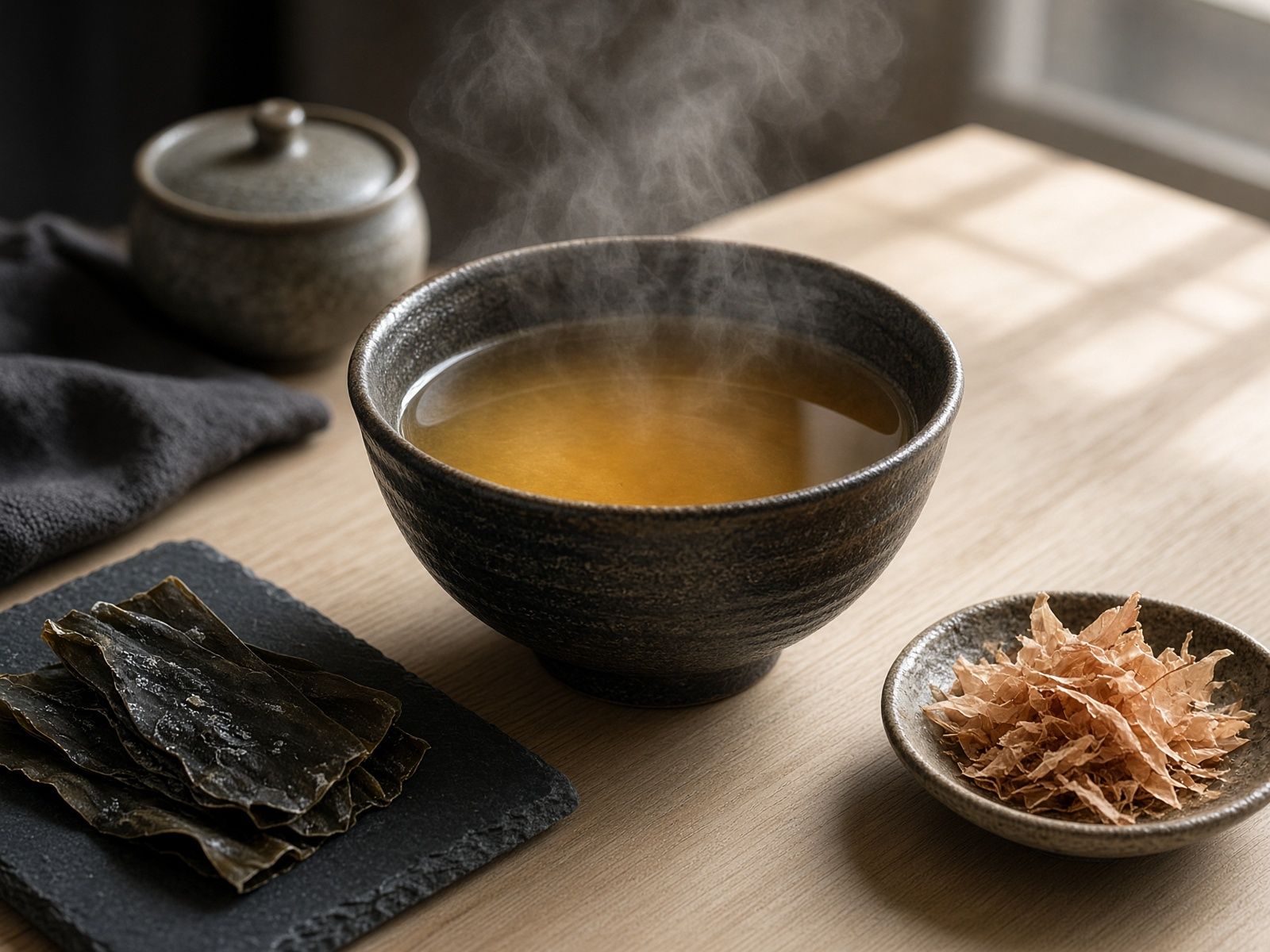
A recipe that gives you one fixed amount stops working the moment you change the pot. So this site is written in ratios — and a ratio is only worth as much as the source behind it. Here is every number on the site, with the page it came from. Where the sources disagree, we say so and print both. Where we could not find a source, the number is not on the site at all — it is listed at the bottom of this page instead.
「1リットルに何グラム」と書いてあるレシピは、鍋が変わった瞬間に合わなくなる。だからこのサイトは割合で書いている。そして割合は、裏にある出所の分しか価値がない。ここにサイトの数字を全部、出所と一緒に並べる。資料が割れているものは、割れていると書いて両方載せる。出所が取れなかった数字はサイトに載せず、このページの一番下に名前だけ置く。
- Agreed一致
- Two or more independent primary sources give the same figure.独立した一次資料が2件以上、同じ数字を出している。
- Disputed割れている
- Sources genuinely disagree. Both are printed. We do not round to one.資料が本当に割れている。両方載せる。片方に丸めない。
- Depends条件で変わる
- Not a disagreement — the figure changes with the equipment or the season.対立ではない。道具や季節で数字そのものが変わる。
- Not published載せない
- No source found. The number is kept off the site and named below.出所が取れていない。サイトには載せず、下に名前だけ置く。
1Ichiban dashi一番出汁
Everything starts here. The ratio is agreed. Only the temperature is disputed.
和食のすべてがここから始まる。割合は合意されている。温度だけが割れている。
Scroll the table sideways →表は横にスクロールできます →
2Niban dashi二番出汁
Do not throw the spent kombu and katsuo away. Nimono and miso soup are happy with this.
だしがらを捨てない。煮物と味噌汁はこれで足りる。
Scroll the table sideways →表は横にスクロールできます →
| Figure項目 | Value値 | Status区分 | Source出所 |
|---|---|---|---|
| Water水 | 500 ml – 1 L500ml〜1L | disputed割れている | Ninben 500 ml, macaroni 1 Lにんべん500ml、macaroni 1L |
| On the heat加熱 | 5–10 min, low弱火5〜10分 | disputed割れている | Ninben 3–5 min, Kurakon 10 minにんべん3〜5分、くらこん10分 |
| Finishing katsuobushi追い鰹 | A small pinch少量足す | agreed一致 | Agreed by Ninben, Kurakon and macaroniにんべん・くらこん・macaroniの3件が一致 |
3Clear soup吸い物
You drink the liquid, so the salt figure splits into two camps. We publish the overlap.
汁そのものを飲む料理なので、塩分の数字が二系統に割れる。重なる帯を採った。
Scroll the table sideways →表は横にスクロールできます →
| Figure項目 | Value値 | Status区分 | Source出所 |
|---|---|---|---|
| Salt — university nutrition塩分(栄養・大学系) | 0.5–0.9%0.5〜0.9% | disputed割れている | Sendai University 0.5–0.7%, Seitoku 0.6–0.9%仙台大0.5〜0.7%、聖徳大0.6〜0.9% |
| Salt — taste-first guidance塩分(味の設計) | 0.8–1.0%0.8〜1.0% | disputed割れている | “Close to physiological saline”, dietitian-supervised「生理食塩水に近い」管理栄養士監修 |
| What this site publishesサイトが採る値 | 0.6–0.9%0.6〜0.9% | agreed一致 | Where the two camps overlap両者が重なる帯 |
4Miso soup味噌汁
Makers and universities publish different numbers. Both are right; they are solving different problems.
メーカーの実例と大学の栄養指導で、数字が違う。どちらも正しく、目的が違う。
Scroll the table sideways →表は横にスクロールできます →
| Figure項目 | Value値 | Status区分 | Source出所 |
|---|---|---|---|
| Miso, by weight of the dashi味噌(だしに対する重量) | 8–10%8〜10% | disputed割れている | Marukome 10.6% (17 g / 160 ml), Kobayashi Foods 6.7% (8 g / 120 ml)マルコメ10.6%(17g/160cc)、小林食品6.7%(8g/120cc) |
| Finished salt — nutrition teaching完成した汁の塩分(栄養指導) | 0.6–0.8%0.6〜0.8% | agreed一致 | Sendai and Nagoya Gakugei universities agree仙台大学と名古屋学芸大学が一致 |
| Finished salt — a maker's worked example完成した汁の塩分(メーカー実例) | 1.095%1.095% | disputed割れている | Marukome publishes the arithmeticマルコメが計算式ごと公開 |
5Rice白米
The weight ratio looks disputed but is not. It depends on the pot, and the ministry prints both figures on one page.
重量比が割れて見えるが、割れていない。土鍋か炊飯器かで変わるだけ。農林水産省が同じページに両方書いている。
Scroll the table sideways →表は横にスクロールできます →
| Figure項目 | Value値 | Status区分 | Source出所 |
|---|---|---|---|
| Water, by volume水(体積比) | 1.1–1.2× the rice米の1.1〜1.2倍 | agreed一致 | Ministry of Agriculture 1.2×, Tiger 1.1–1.2×農林水産省1.2倍、タイガー1.1〜1.2倍 |
| Water by weight — donabe水(重量比・土鍋) | 1.5× the rice米の1.5倍 | depends条件で変わる | Ministry of Agriculture: the baseline, counting evaporation農林水産省。蒸発量を含めた基準値 |
| Water by weight — rice cooker水(重量比・電気炊飯器) | 1.3–1.4× the rice米の1.3〜1.4倍 | depends条件で変わる | Ministry of Agriculture: modern cookers lose less to evaporation農林水産省。「近年の家庭用電気炊飯器は加熱中の蒸発量が少ない」 |
| Soaking浸水 | 30 min summer, 1 h winter夏30分・冬1時間 | agreed一致 | Suzunobu and Toyo Rice agree. The ministry says at least 30–60 min鈴乃屋・東洋ライスが一致。農水省は「最低30〜60分」 |
| Resting蒸らし | 10–15 min10〜15分 | agreed一致 | The ministry says about 10 minutes after the heat goes off農水省「消火後10分程度」 |
6Salt for grilled fish焼き魚の塩
The guides and the actual recipes disagree. Two per cent is where both can live.
ガイドと実際のレシピがずれている。2%は、その両方が納得する場所。
Scroll the table sideways →表は横にスクロールできます →
| Figure項目 | Value値 | Status区分 | Source出所 |
|---|---|---|---|
| Salt, by weight of the fish塩(魚の重量に対して) | 2–3%2〜3% | disputed割れている | Kurashiru; Olive Oil o Hitomawashi, run by Nisshin OilliOクラシル、日清オイリオ運営のオリーブオイルをひとまわし |
| What a published recipe measures実際のレシピの値 | About 1.5%約1.5% | disputed割れている | NHK, Takagi Junko: 200 g of sea bream to half a teaspoonNHK髙城順子:鯛200gに塩小さじ1/2 |
| Resting — oily fish置き時間・青魚 | 30–60 min30分〜1時間 | agreed一致 | Kurashiru; Olive Oil o Hitomawashiクラシル、オリーブオイルをひとまわし |
| Resting — white fish置き時間・白身魚 | 0–20 min直前〜20分 | agreed一致 | Same two sources同上 |
7Chawanmushi茶碗蒸し
The most strongly agreed number on this site. Four sources, one figure.
このサイトで最も一致している数字。4件が同じことを言っている。
Scroll the table sideways →表は横にスクロールできます →
| Figure項目 | Value値 | Status区分 | Source出所 |
|---|---|---|---|
| Egg to dashi卵:だし | 1 : 31:3 | agreed一致 | Mitsukoshi-Isetan FOODIE, Ninben, Kobayashi Foods, Mizkan三越伊勢丹FOODIE、にんべん、小林食品、ミツカン |
| Steaming time蒸す時間 | 2–3 min hard, 10 min low強火2〜3分→弱火10分 | agreed一致 | Three sources agree3件が一致 |
| Steaming temperature蒸す温度 | 70–80°C / 80–90°C70〜80℃/80〜90℃ | disputed割れている | FOODIE 70–80°C, Ninben 80–90°C三越伊勢丹70〜80℃、にんべん80〜90℃ |
8Dashimaki tamagoだし巻き卵
Sources using shiro-dashi come out lower. Those products are concentrated differently, so the figures are not comparable.
白だしを使う資料は少なめに出る。製品ごとに濃縮度が違うので、横に並べられない。
Scroll the table sideways →表は横にスクロールできます →
| Figure項目 | Value値 | Status区分 | Source出所 |
|---|---|---|---|
| Dashi per egg卵1個あたりのだし | 20ml20ml | agreed一致 | Fujino Yoshiko on NHK, and MizkanNHK藤野嘉子とミツカンが一致 |
| What the makers giveメーカー系の値 | 11–15 ml11〜15ml | disputed割れている | Kikkoman 15, Yamaki 13.3, Ajinomoto 11.3キッコーマン15、ヤマキ13.3、味の素11.3 |
9Simmering and mixed seasonings煮物と合わせ調味料
Japan's agriculture ministry publishes these as the golden ratios. This is the only place on the site where a government body sets the number.
日本の農林水産省が「黄金比」として公開している。公的機関が数字を出しているのはここだけ。
Scroll the table sideways →表は横にスクロールできます →
| Figure項目 | Value値 | Status区分 | Source出所 |
|---|---|---|---|
| Nimono — dashi : soy : mirin煮物 だし:醤油:みりん | 8 : 1 : 18:1:1 | agreed一致 | Ministry of Agriculture, Forestry and Fisheries農林水産省 |
| Simmered fish — sake : soy : mirin煮魚 酒:醤油:みりん | 6 : 1 : 16:1:1 | agreed一致 | Ministry of Agriculture, Forestry and Fisheries農林水産省 |
| Noodle broth and odenめんつゆ・おでん | 12 : 1 : 112:1:1 | agreed一致 | Ministry of Agriculture, Forestry and Fisheries農林水産省 |
| Happo-dashi — dashi : mirin : soy八方だし だし:みりん:醤油 | 8–10 : 1 : 18〜10:1:1 | agreed一致 | Ninben. The same shape as the ministry's 8:1:1にんべん。農水省の8:1:1と同じ形 |
| Tentsuyu — dashi : mirin : soy天つゆ だし:みりん:醤油 | 5 : 1 : 15:1:1 | disputed割れている | National Mirin Association 5:1:1; NHK's Tamura Takashi 4:1:1全国味淋協会が5:1:1、NHK田村隆が4:1:1 |
| Sanbaizu — vinegar : soy : sugar三杯酢 酢:醤油:砂糖 | 3 : 1 : 23:1:2 | agreed一致 | Mizkan and the SATETO co-operative match exactlyミツカンと生協SATETOが完全一致 |
| Nihaizu — vinegar : soy二杯酢 酢:醤油 | 1 : 1 or 3 : 21:1/3:2 | disputed割れている | Traditionally 1:1; Mizkan gives 3:2伝統1:1、ミツカン3:2 |
| Tosazu土佐酢 | Sanbaizu + 3 g katsuo三杯酢+鰹節3g | agreed一致 | Mizkan and SATETO match exactlyミツカンと生協SATETOが完全一致 |
10The umami synergyうま味の相乗効果
Why washoku can build satisfaction without fat. The multiplier is agreed; only one source states the ratio numerically.
和食が脂に頼らずに満足感を作れる理由。倍率は一致し、比率は1件だけが数字で書いている。
Scroll the table sideways →表は横にスクロールできます →
| Figure項目 | Value値 | Status区分 | Source出所 |
|---|---|---|---|
| Glutamate to inosinateグルタミン酸:イノシン酸 | 1 : 11:1 | disputed割れている | Only the Umami Information Center gives the figure; the manufacturers' association says “roughly equal”うま味インフォメーションセンターのみが数値で明記。日本うま味調味料協会は「ほぼ等量」 |
| Strength against either alone単体に対する強さ | 7–8×7〜8倍 | agreed一致 | The Umami Information Center and the Japan Umami Manufacturers Association agreeうま味インフォメーションセンターと日本うま味調味料協会が一致 |
| Glutamate identified in kombuグルタミン酸=昆布 | 1908, Ikeda Kikunae1908年 池田菊苗 | agreed一致 | National Diet Library国立国会図書館 |
| Inosinate identified in katsuoイノシン酸=鰹 | 1913, Kodama Shintaro1913年 小玉新太郎 | agreed一致 | National Diet Library国立国会図書館 |
| The paper that measured it相乗効果の論文 | Yamaguchi 1967Yamaguchi 1967 | agreed一致 | Yamaguchi S., J. Food Sci. 32, 473–478 (1967)Yamaguchi S., J. Food Sci. 32, 473–478 (1967) |
11The dishes themselves定番料理の割合
This is where sources scatter most — home cooking always does. Nikujaga runs anywhere from 3:1 to 13:1. For each dish we pick one named source and hold to it.
ここは最も割れる。家庭料理だから当然で、同じ肉じゃがでもだしと醤油の比が3倍から13倍まである。名前の付いた出典を1つ選び、そこに揃えた。
Scroll the table sideways →表は横にスクロールできます →
—Not published載せないもの
These numbers appeared on an earlier version of this site, or were considered for it, and were taken out because no source could be found. They are named here rather than quietly deleted.
旧版に載せていた、あるいは載せようとして、出所が取れなかったので外した数字。黙って消さずに、ここに名前を残しておく。
- The salt content of sweet miso (5–7%)甘味噌の塩分(5〜7%) — An earlier version of this site published it. We could not source it, so it has been removed.旧版に書いていたが、一次資料が取れなかった。今回サイトから外した。
- The shio-koji ratio (koji 3 : salt 1 : water 3)塩麹の割合(米麹3:塩1:水3) — The same. Removed.同上。外した。
- 75°C for ichiban dashi一番出汁の75℃ — No source says this. It was written as an example without checking, and it stayed. It has been replaced.どの資料にも無い。書いた本人が裏を取らずに例として出した数字が、そのまま載っていた。差し替えた。
- The year of Kuninaka's discovery国中明の発見年 — Sources give 1955, 1957 and 1960. The site uses 1957 and records the disagreement here.1955年・1957年・1960年で資料が割れる。サイトは1957年を採り、割れていることをここに書いておく。
- The term “nimono happo”「煮物八方」という名称 — It did not appear in any source we could reach. We do not use it.今回アクセスできた資料に存在しなかった。使わない。